Benefits of Low-Density Gated Rowhouse Living
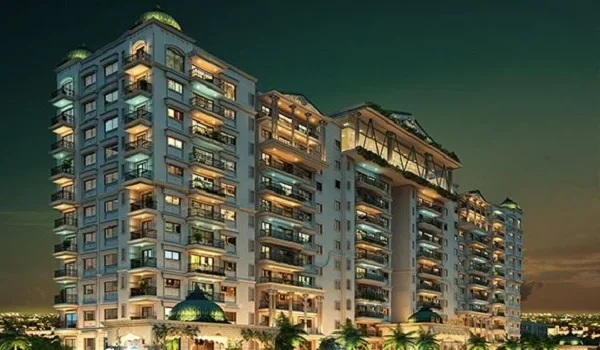
Featured Image of Benefits of Low-Density Gated Rowhouse Living


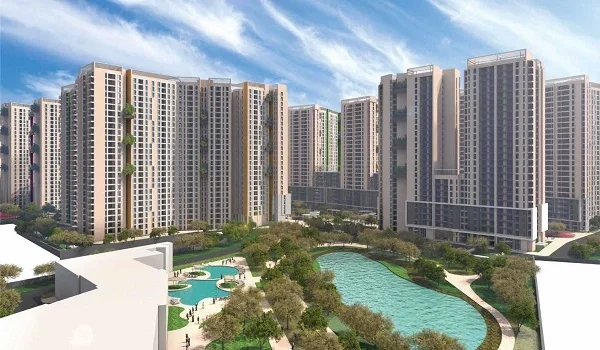
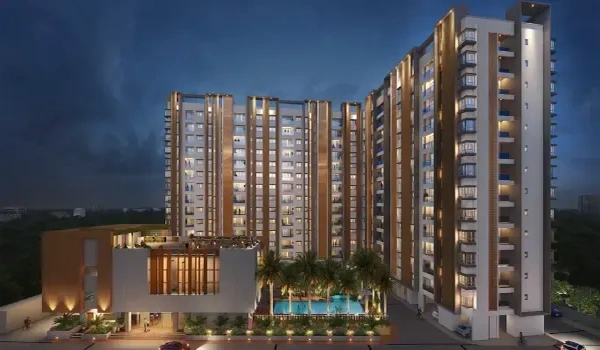
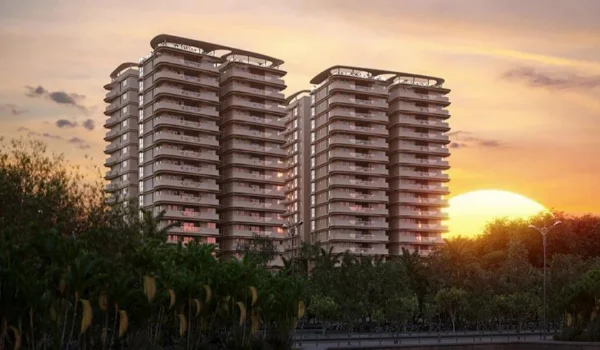
Low-density gated rowhouse living gives you about 10 to 15 homes per acre. A tall tower packs in 40 to 60 home on the same land. Fewer homes per acre means quiet streets. You get more open space too. Each home sits behind its own gate, with its own garden. No tower can match that. Recent data from 2025 and 2026 show these low rise homes grow in price faster than most flats. The gain runs 10% to 13% a year in many parts of Bengaluru. For buyers who compare both formats, the gap shows up in daily comfort and in long-term gains.

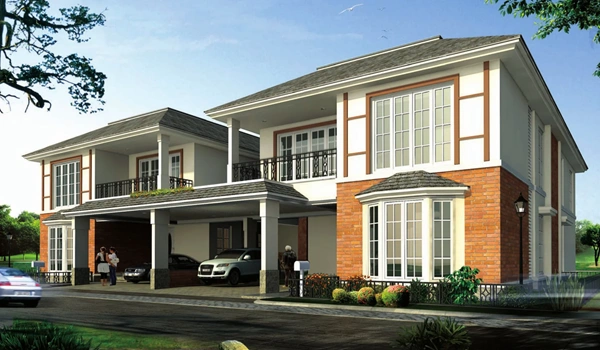
A rowhouse sits between a flat and a stand-alone house. You get the privacy of your own home. You also get the safety and shared upkeep of a gated group. No lift. No shared lobby. No shared wall on every side. You park at your own door and walk into your own garden. Your home stays apart from 200 other families stacked above and below you. This style suits buyers who want space. It also suits buyers who will not give up on safety or long-term value.

Privacy and Space That Flats Cannot Match


Low-density plans cap the number of homes on each acre. Every family gets real room to breathe. You do not share a wall, a lobby or a staircase with dozens of homes each day.

  • Your own garden and terrace. Most rowhouses give you a garden at ground level and a terrace on top. No flat offers that much space.
  • No shared corridors. You walk from your car to your own door. There is no queue for a lift or a lobby.
  • Less noise. Fewer homes per acre means fewer people walking past. Your street stays calm through the day.

Security Inside a Smaller, Safer Gate


A gated rowhouse group runs tighter checks than an open flat complex. The gate is smaller, so guards can watch it well.

  • One main gate: Guards and cameras cover the full site from a single point. No car or guest gets in without a check.
  • Fewer cars on the road: Fewer homes mean fewer cars inside. This keeps speeds low and keeps kids safe on foot.
  • Neighbours notice fast: With fewer homes in each row, people spot a stranger much faster than in a 500 flat tower.

Price Growth, Rent, and Resale Value


This part matters most if you plan to invest, not just live in the home. Low-density, gated rowhouses stay rare in most Indian cities. That scarcity helps push up price.

Factor Flat in a Tall Tower Low-Density Gated Rowhouse
Price Growth in 5 Years 7% to 9% each year 10% to 13% each year
Land Share per Home Very low High, since each home sits on its own plot
Demand for Rent Wide but price-sensitive Strong with senior staff and NRI tenants
Homes for Resale Many, so price grows slow Few, so price grows fast
Upkeep Control Shared across hundreds of flats Shared across a small, tight group

A rowhouse comes with its own land share. So its value tracks land price more than a flat on the tenth floor does. Fewer homes also means fewer rivals when you want to sell. Tenants who want space and privacy often pay more for this home type. Senior staff and NRI families lead this group.

Godrej Florenne: A Low-Density Rowhouse in Whitefield


Godrej Florenne sits on Soukya Road in Whitefield, East Bengaluru. It shows how this format works on real ground. The project spreads 242 rowhouses across 20 acre. That works out to about 12 home per acre. Most tall towers nearby hold hundreds of homes on far less land.

Each home at Godrej Florenne comes with three or four floors. You get a private garden, a terrace on top, and your own parking spot. Sizes run from about 3,700 to 5,500 square feet. Four home types start from ₹5.40 Cr. The site sits close to Kadugodi and Hope Farm metro stations on the Purple Line. ITPL and EPIP tech parks lie a short drive away. The Satellite Town Ring Road runs about 1.3 km from the gate. This cuts travel time across East Bengaluru.

The project is in its prelaunch stage now. The EOI window is open ahead of the launch on 6 October 2026. The builder has applied for RERA. Approval is still pending. Possession is set for December 2030. Godrej Properties trades on the BSE and NSE. That gives buyers a clear view of the firm's finances. Note that quoted prices do not include GST, stamp duty or registration cost.

Daily Life Inside a Low-Density Gated Home


Space is not the only reason buyers pick this format. Daily life also feels better in a low-density group than in a packed tower.

  • Green space right outside. Gardens sit at your door, not three floors down in a shared yard.
  • Less load on shared systems. Fewer homes mean less strain on lifts, water supply, and parking at peak hours.
  • Safer for walking. Wide roads and low traffic let kids ride bikes and seniors walk without any worry.

Who Should Buy Into This Format


This home style suits some buyers more than others. You should weigh it if you value space, privacy, and a strong long-term hold.

  • Flat owners who want to upgrade. You get a garden and more space, without a move far from the city.
  • Investors who want steady gains. This format is rare, and its value tracks land price, not just built-up area.
  • NRI buyers. You get a premium, low-fuss home that rents well to senior staff while you stay abroad.

FAQs


1. What makes low density gated rowhouse living different from flat living?

A rowhouse gives you a private home on a gated plot, with your own garden and parking. A flat stacks many families into shared lifts and lobbies on the same plots of land.

2. Do rowhouses grow in price faster than flats?

Yes, in most cases. Rowhouses often grow 10% to 13% a year. Flats grow 7% to 9% a year. Rowhouses hold a direct land share and stay in short supply.

3. Is safety better in a low-density gated rowhouse group?

Yes. Fewer homes per acre means a smaller gate to watch. Guards spot strangers fast. This beats a large, open flat complex on most counts.

4. What is the RERA and possession status for Godrej Florenne?

The builder has applied for RERA. Approval is still pending. The project launches on 6 October 2026. Possession is set for December 2030.

5. Are low-density rowhouses good for rent income?

Yes. Senior staff and NRI tenants often prefer rowhouses for the space and privacy. This pushes rent demand above a plain flat in the same price band.

6. Who should pick a rowhouse over a flat?

Pick a rowhouse if you want more space, a private garden, and strong long-term gains. It suits flat owners ready to upgrade and buyers who want rare, land-backed homes.

Enquiry
Enquire Now