Advantages of Buying a Rowhouse Over an Apartment
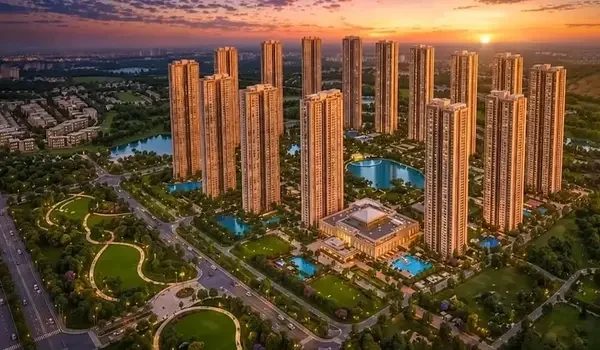
Featured Image of Advantages of Buying a Rowhouse Over an Apartment


Buying a rowhouse at brings clear advantages over a regular flat. These include more built-up space, a private garden, and ground-level access without a lift. Buyers also get land ownership benefits and stronger long-term resale value. Together, these factors make a rowhouse a well-rounded buy. It works for both end-use and investment in Whitefield.

Here are the main advantages of choosing a rowhouse over an apartment at Godrej Florenne.
More Built-Up Space for the Same Budget


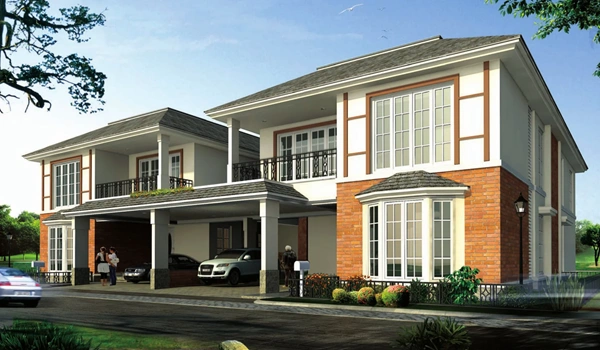
A rowhouse gives you far more usable space than a flat at a similar price. Godrej Florenne rowhouses range from about 3,700 sq ft to 5,500 sq ft. This covers four typologies in total. A comparable apartment in Whitefield rarely crosses 2,000 to 2,500 sq ft, even at a high price point.


This extra space spreads across multiple floors, since every home is G+2 or G+3. Families get separate levels for living, sleeping, and entertaining. Nothing gets squeezed onto one flat floor plate.

Ground-Level Access Without a Lift


Every rowhouse opens straight onto the ground or a private garden. There is no lift lobby, no waiting, and no shared corridor to cross. This matters most for elderly residents and young children. They move in and out with far less daily frictions.

An apartment on a higher floor depends on a working lift every single day. A rowhouse removes that dependency completely. It also removes the daily wait that comes with a busy tower.

A Private Garden and Rooftop Terrace


Every rowhouse at Godrej Florenne comes with its own private garden and rooftop terrace. An apartment usually offers just a balcony. Sometimes it adds a shared podium garden, used by hundreds of other residents.

This private outdoor space changes daily life in real ways. You can grow plants, host a small gathering, or simply sit outside. There is no common area to book and no committee to check with first.

Land Ownership Benefits


A rowhouse comes with a share of land attached to the home. A flat, by contrast, usually gives you only the built-up unit inside a larger building. Land tends to hold and grow in value over time. This supports stronger long-term price growth for rowhouse owners.

Godrej Florenne spreads 242 rowhouses across 20 acres. That works out to roughly 12 homes per acre. This low density keeps land value tied closely to each home. It does not get diluted across hundreds of flats in one tower.

Privacy Without Shared Walls


A rowhouse shares far fewer walls with neighbouring homes. A flat usually sits sandwiched between other units on the same floor. Noise from a neighbour's TV or a late-night gathering travels less easily through a rowhouse.

This privacy carries outdoors too. A private garden and terrace mean you are not overlooked by other balconies. In a dense apartment tower, dozens of balconies often face each other directly.

Rowhouse vs Apartment: A Quick Comparison


Factor Rowhouse (Godrej Florenne) Typical Apartment
Built-up area 3,700 to 5,500 sq ft Usually 1,200 to 2,500 sq ft
Outdoor space Private garden and rooftop terrace Balcony, shared podium garden
Ground access Direct, no lift needed Depends on lift access
Land ownership Land share attached to the home Built-up unit only
Density About 12 homes per acre Often 60 or more homes per acre
Privacy Fewer shared walls, private outdoors Shared walls, common corridors

Stronger Resale and Rental Appeal


Rowhouses stay limited in supply across most Indian cities. Builders rarely set aside large land parcels for a low-rise format. Whitefield itself is full of high-rise apartment towers. This makes a rowhouse community like Godrej Florenne stand out in the resale market.

Buyers want more space, more privacy, and a rare product type in a strong location. Many of them pay a premium for exactly this combination. This works in favour of long-term owners who plan to sell or rent the home later.

More Design Freedom Inside the Home


A rowhouse gives owners more freedom to plan interiors around their own needs. Flat layouts stay fixed by the building's structure, since walls often carry load for the floors above. A rowhouse spreads across multiple levels, so each floor can serve a clear purpose.

Owners can set aside a full floor for guests, a home office, or a joint family member. This kind of flexibility is harder to build into a standard 2 or 3 BHK flat. Godrej Florenne rowhouses come in 4 Bed and 5 Bed configurations, which support exactly this kind of planning.

Safer, Quieter Streets for Everyday Living


Low-rise rowhouse layouts usually carry less daily traffic than a large apartment complex. Godrej Florenne keeps only 242 homes across its full 20-acre layout. Streets stay quieter, and children get more room to play close to home.

A tall apartment tower often means shared lifts and packed basements. Common areas stay busy at most hours of the day. A rowhouse avoids most of this simply by design. Fewer homes on the same stretch of road also means fewer strangers passing through daily.

Who Should Choose a Rowhouse Over a Flat


A rowhouse suits buyers who value space and privacy over a compact, ready layout. Families with children benefit from a safe, private garden instead of a shared play area. Buyers planning to age in place also benefit here. Ground-level access removes the daily need for a lifts.

Investors looking for a different kind of asset in a crowded apartment market find rowhouses appealing too. Limited supply usually supports better long-term value here.

A rowhouse at Godrej Florenne gives you more space, more privacy, and a real share of land. A flat simply cannot offer the same combination. If you are weighing long-term value alongside daily comfort, this rowhouse format deserves a serious look. The official launch is set for 6 October 2026.

FAQs


1. Is a rowhouse more expensive than an apartment of the same size?

Rowhouses often cost more per unit due to land and low-density construction. On a per-square-foot basis, pricing can stay close to premium apartment rates nearby.

2. Does a rowhouse need more maintenance than a flat?

A rowhouse needs upkeep for its private garden and terrace. This comes on top of regular home maintenance, but it also gives owners full control over the space.

3. Can I get a home loan for a rowhouse like I would for a flat?

Yes. Most banks and housing finance companies offer loans for rowhouses on similar terms. This depends on the project's RERA status and legal approvals.

4. Is a rowhouse a good option for a nuclear family?

Yes. Many rowhouses at Godrej Florenne come in 4 Bed layouts. These suit a nuclear family well, with room to grow into over time.

5. Do rowhouses hold their value better than apartments?

Rowhouses tend to hold value well where the format stays limited in supply. Scarcity here supports steady demand from buyers who want more space and privacy.

6. Why are rowhouses rare in a location like Whitefield?

Whitefield is largely built up with high-rise towers. Land here is expensive, and builders usually maximise density. A 20-acre rowhouse layout like Godrej Florenne stays uncommon for this reason.

Enquiry
Enquire Now