Rowhouse vs Plot: Which to Buy in East Bangalore
Featured Image of Rowhouse Vs Plot Which To Buy In East Bangalore


A rowhouse gives you a finished, ready-to-move private home with land content built in, while a plot gives you raw land that grows in value but demands years of construction effort before you can live in it or rent it out. Your choice depends on how soon you need a home, how much time you can spend managing construction, and how much risk you are willing to carry. East Bangalore has both options in strong supply, from gated plotted layouts around Sarjapur and Hoskote to newer rowhouse communities coming up along the Whitefield and Soukya Road belt.

Both formats sit above apartments when it comes to land ownership and long-term wealth building. The real decision is whether you want that land with a home already standing on it, or without one.
What a Rowhouse Actually Gives You


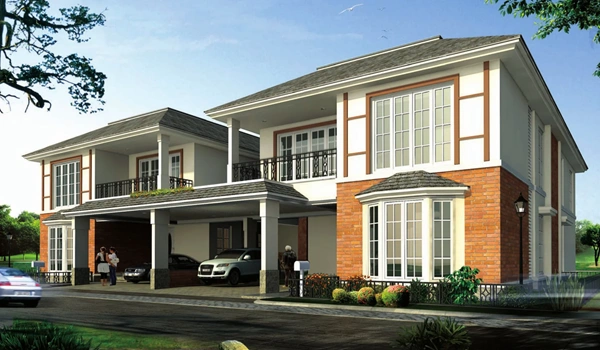
A rowhouse is a low-rise, private home built on its own plot within a larger gated township. You get your own garden, your own entrance, and often a private terrace, but the structure is already built and ready for possession on a fixed date. This removes the biggest headache of plot ownership, which is managing construction yourself.

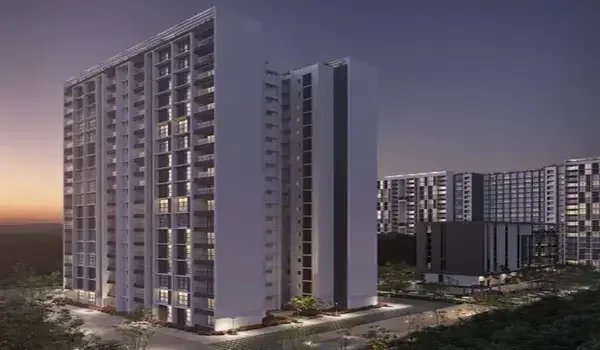
Godrej Florenne on Soukya Road in Whitefield is a good example of this format taking shape in East Bangalore. It spans 20 acres and offers 242 rowhouses across four typologies, with sizes running from about 3,700 to 5,500 sq ft and prices starting at ₹5.40 Cr. Homes come in G+2 or G+3 layouts, each with a private garden, a rooftop terrace, and dedicated parking, all inside one gated community.

What a Plot Actually Gives You


A plot is land alone, with no structure and no timeline attached to it. You buy the square footage, and everything after that, the design, the construction, the interiors, and the final move-in date, depends entirely on you. This gives you complete freedom, but it also means years of planning, approvals, and site visits before the home is livable.

Gated plotted developments across East Bangalore, particularly around Sarjapur Road, Hoskote, and the outer stretches of Whitefield, typically offer plots between 1,200 and 2,400 sq ft. Rates in these corridors usually range from about ₹6,000 to ₹9,000 per sq ft in emerging pockets, rising higher in locations closer to established IT hubs.

Rowhouse vs Plot: A Side-by-Side View


Factor Rowhouse Plot
Possession Timeline Fixed date set by the builder Depends entirely on your own construction pace
Upfront Cost Higher, since the structure is included Lower, since you pay for land alone
Design Freedom Limited to builder layouts and finishes Complete freedom over design and materials
Effort Required Low, move in once possession is handed over High, you manage approvals and construction
Rental Income Possible soon after possession Only after you build, which adds years and cost
Community Amenities Included, such as gardens, security and clubs Usually limited to basic gated infrastructure

Pros and Cons of Each Format


Every property type brings its own advantages along with real tradeoffs that deserve careful thought.

Rowhouses

  • The Perks: Fixed possession date, ready garden and terrace space, shared community security and no construction hassle on your part.
  • The Tradeoffs: Higher entry price than a plot of similar size, less freedom to change the core structure and ongoing maintenance charges.

Plots

  • The Perks: Lower entry cost, full control over design and build quality, and land that typically appreciates faster than any structure built on it.
  • The Tradeoffs: No rent income until construction finishes, added stress of managing builders and approvals and slower path to actually living in the home.

Investment Value: How Each Format Builds Wealth


Land and buildings behave differently once you look at them from a wealth angle. Structures age with time, and repairs eat into their value even in premium projects. Land on the other hand, keeps gaining value as the surrounding city grows, since supply near job hubs stays limited.

Plots tend to deliver stronger long-term price growth for this exact reason, but that growth stays on paper until you either build or sell. A rowhouse gives you a smaller share of pure land value, since part of your money pays for construction, yet it starts working for you almost immediately, whether you live in it or rent it out.

For a buyer who wants land content without years of construction effort, a scarce, low-density rowhouse format works well. Godrej Florenne fits this pattern closely, since it places only 242 homes across 20 acre, roughly 12 homes per acre, in a corridor otherwise dominated by dense apartment towers. That kind of low density is difficult to replicate once a gated plotted layout in the same belt sells out, which supports steady demand for resale rowhouses over time.

Which One Should You Buy in East Bangalore


Your decision should rest on three things, your timeline, your appetite for managing construction, and how soon you need the property to start working for you financially.

  • Choose a rowhouse if: You want a ready, private home on a fixed possession date, without spending years on construction and approvals.
  • Choose a plot if: You are comfortable waiting, want full design control, and are chasing the fastest possible lands price growth.
  • Choose East Bangalore either way: The Whitefield and Soukya Road belt, along with the Sarjapur and Hoskote corridors, remain strong long-term bets due to steady IT sector demand.

If a ready, low-density home appeals to you more than years of managing a build, exploring is worth your time. The project is currently open for Expression of Interest ahead of its official launch on 6 October 2026, with possession set for December 2030.

FAQs


1. Is a rowhouse a better investment than a plot in East Bangalore?

A rowhouse suits buyers who want ready possession and quicker rental income, while a plot suits buyers chasing faster long-term land appreciation with more patience for construction.

2. Do plots really appreciate faster than built homes?

Yes, in most cases. Land supply near job hubs stays limited, so plot values often rise faster over the long run, while buildings age and lose value with time.

3. Can I get a home loan for a plot the way I can for a rowhouse?

Banks fund plots differently from ready homes, often with lower loan amounts and stricter conditions, while rowhouses from established builders usually see smoother loan approvals.

4. How much land does a rowhouse actually give me compared to an apartment?

A rowhouse gives you a private garden, terrace, and dedicated ground-level space, unlike an apartment, where you only own the unit itself with no direct land share.

5. Is Godrej Florenne a good example of the rowhouse format in East Bangalore?

Yes. It offers 242 low-rise rowhouses across 20 acres on Soukya Road in Whitefield, with sizes from about 3,700 to 5,500 sq ft and prices starting at ₹5.40 Cr.

6. What is the biggest risk with buying a plot instead of a rowhouse?

The biggest risk is the time and effort needed to manage construction, approvals, and site security, along with delayed rent income until the home is fully built.

Enquiry
Enquire Now